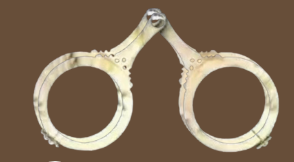
Today, glasses are so common that we barely notice them. But in the ancient world, poor eyesight could mean the difference between independence and dependence. The Sushrut Samhita contains references to Upnetra, described as a "device for removing vision disorder". Essentially, spectacles.
दृष्टिदोषहरीकरणार्थ उपयंत्रमुपकरणम् उपनेत्रम् अस्ति।
"The device used for removing vision disorder is a spectacle."
The shloka implies that Upnetra were used for both medical purposes (treating conditions like farsightedness or cataracts) and for enhancing vision in general. In other words, these weren't just tools for the sick—they were also vision aids for everyday use.
Adi Shankaracharya, writing centuries later, used the concept of lenses in his philosophical works, noting that "just as small objects appear larger when viewed through lenses, so does perception alter with perspective." This not only reflects an awareness of optical magnification but also suggests that lens-making was a known craft. Modern history credits the Italian Salvino D'Armati with creating the first wearable spectacles in 1684. But the Sushrut Samhita predates that claim by almost 1,900 years.
The strong textual evidence challenges the linear, Eurocentric narrative of technological invention. The concept of spectacles (Upnetra) nearly two millennia before their European invention highlights advanced understanding of optics long before Europe's so-called 'Age of Discovery'.