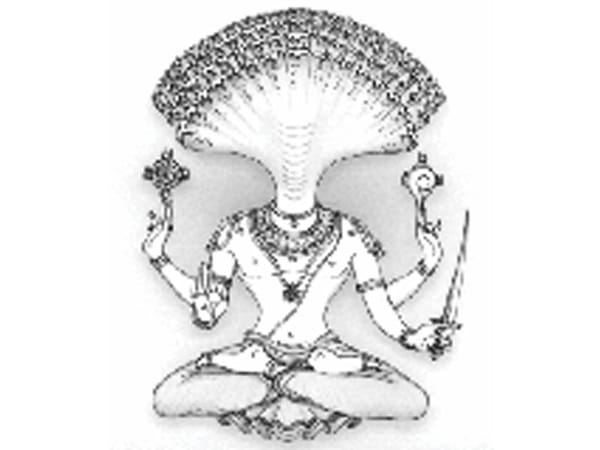
Yogsutras of Patanjali 2.22: Sadhana Paad, Yogsutras
In the previous sutra, Patanjali expressed how drishya is for the soul, so then what happens to the drishya, once soul experiences it? Krtaartham prati

In the previous sutra, Patanjali expressed how drishya is for the soul, so then what happens to the drishya, once soul experiences it? Krtaartham prati
Compassion is a quality that is supposed to be inherent to humans; it was, in our ancestors. Its expression found its way in varied forms—
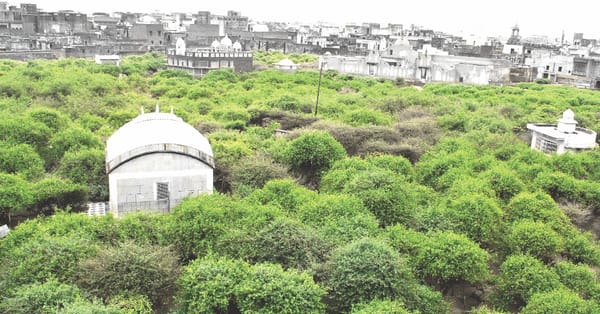
On the banks of Yamuna, in the historic city of Allahabad, Uttar Pradesh, stands the Akshayvat, or the Indestructible Banyan, the roots of which seep
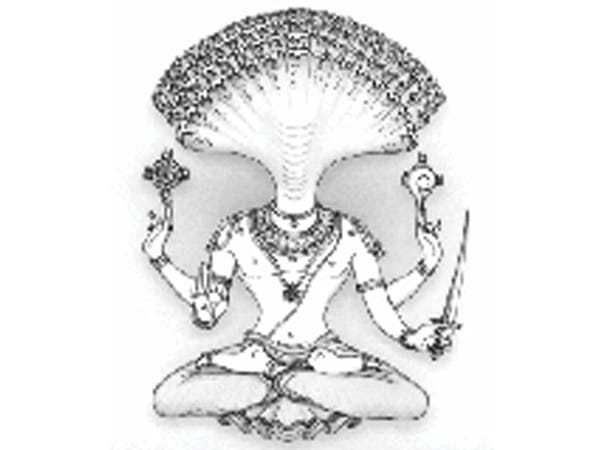
Patanjali details the nature, form and purpose of drishya, Prakaashakriyaasthitisheelam bhootendriyaatmakam bhogaapavargaartham drishyam Prakaasha: Light (Satva) Kriyaa: Action (Rajas) Sthiti: Inertia (Tamas) Sheelam: Nature Bhoota:

Human existence is not limited to the human body that is perceivable by the five senses, neither is human form the ultimate, nor is Bhuloka,
"There are some parts of the world that, once visited, get into your heart and won't go”- this statement by Keith Bellows
Patanjali further delves upon kleshas and their effects, Kleshmoolah karmaashayo drishtaadrishtjanmvedneeyah Klesh-moolah: Rooted in kleshas Karm-aashayah: Collection of karmas Drisht-adrisht: Present and
Patanjali details the process to eliminate kleshas which were made subtle by practice of kriya yog, Te pratiprasavheyaah sukshmaah Te: Them (5 kleshas) Pratiprasav: Return

Have you lately been getting very angry? Is anger your second nature? Are you angry all the time? If your answer is yes then you