By Ashish Kandpal
Plants and colours share a deeply interconnected relationship that shapes not only the natural world but also human perception, emotion and well-being. From the vibrant greens of forests to the vivid hues of flowers and fruits, colours in plants are far more than aesthetic elements—they serve biological, ecological and psychological purposes.
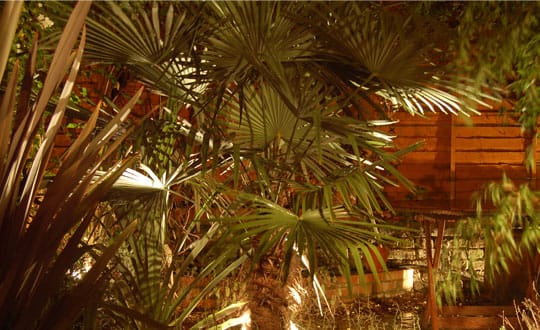
The most dominant colour in the plant kingdom is green, produced by chlorophyll, the pigment responsible for photosynthesis. Green symbolises life, growth, balance, and renewal. Its calming effect on the human mind explains why green spaces are associated with reduced stress, improved focus and emotional stability. This makes plants indispensable in homes, workplaces and urban environments.
Beyond green, plants display a wide spectrum of colours due to pigments such as carotenoids, anthocyanins and flavonoids. Bright reds, yellows, oranges, purples and blues often appear in flowers and fruits, serving a functional role in nature. These colours attract pollinators like bees, butterflies and birds, ensuring reproduction and seed dispersal. For example, red and yellow flowers are highly visible to insects, while deep purple and blue shades often attract specific pollinators.
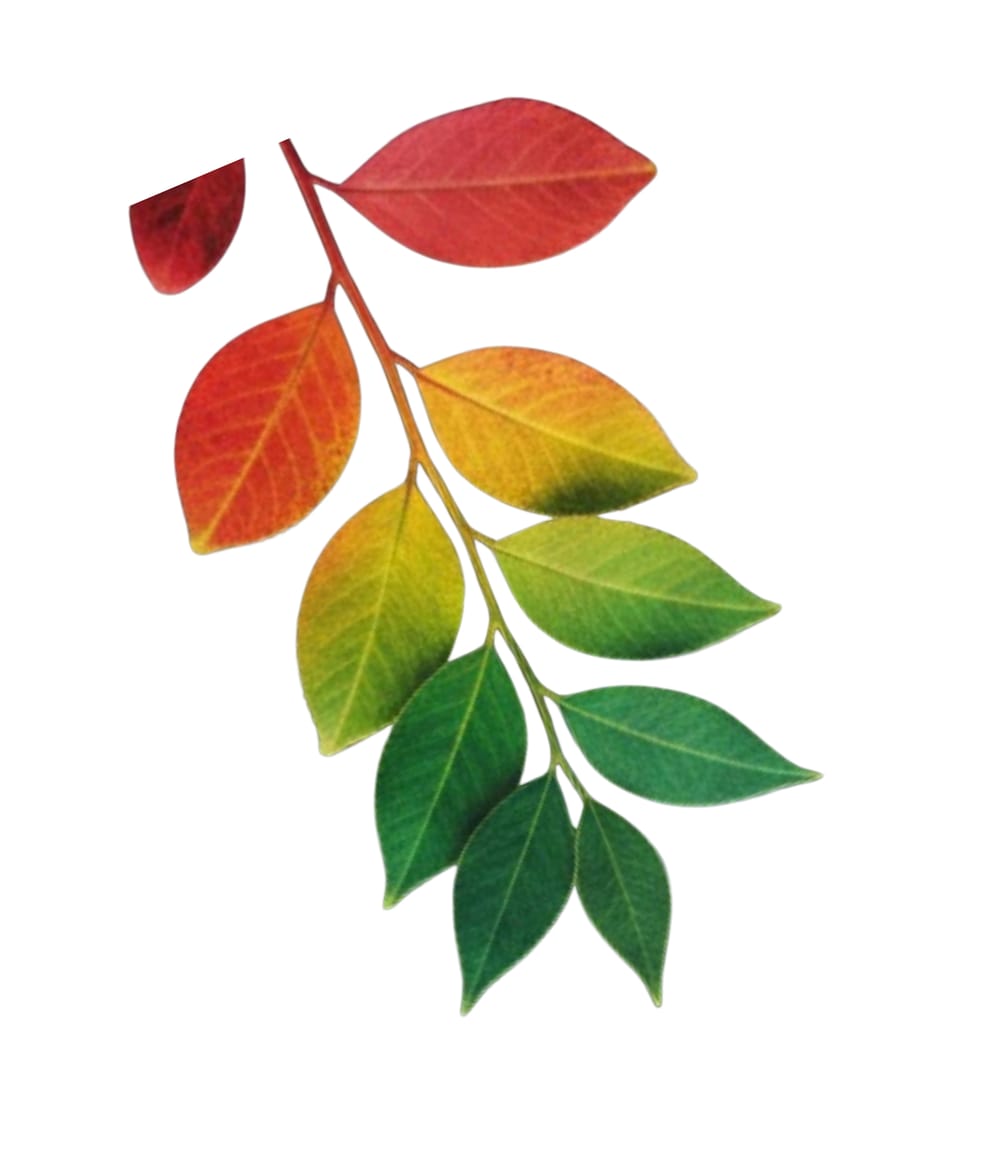
Colours in plants also act as protective mechanisms. Dark pigments can shield plant tissues from excessive sunlight or ultraviolet radiation, while certain colour changes signal ripeness or toxicity, discouraging herbivores. Seasonal shifts in leaf colour—such as autumn reds and golds—reflect changes in chlorophyll levels and nutrient conservation strategies.
For humans, plant colours have cultural and symbolic meanings. White flowers often represent purity and peace, red signifies passion or energy, yellow evokes optimism and purple is associated with luxury and spirituality. In interior design and landscaping, thoughtful use of plant colours can influence mood, productivity, and creativity. Warm-coloured plants energise spaces, while cooler tones create calm and introspection.
In essence, plants and colours together form a visual language of nature—one that communicates survival, harmony, and beauty. Their presence enriches ecosystems and human lives alike, reminding us that colour is not merely decoration but a vital expression of life itself.