
By Diti Agarwal
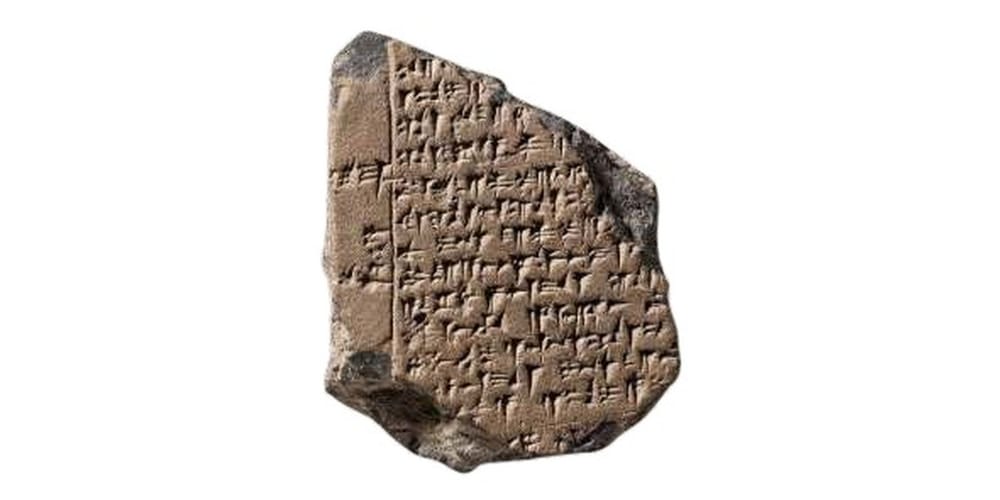
In the Middle East, The Mitanni treaty, signed around 1380 BCE between Hittite King Suppiluliuma I and Mitanni King Shattiwaza, is a crucial historical document that invokes Vedic gods, Indra, Mitra, Varun and the Nasatys (Ashvins, as divine witnesses and guardians.
The Mitanni Treaty
It was the Late Bronze Age. The Hittite Empire centred around Anatolia (Modern Turkey) was at its zenith under Suppiluliuma. Whereas their averse enemy; the Mitanni Kingdom (around Modern Syria) was silently going through immense internal turmoil. The assassination of their King Tushratta had sparked a civil war. His son, Shattiwaza the rightful heir was forced to flee as a nemesis secured the Mitanni Throne.
Shattiwaza sought refuge with, the Hittite King Suppiluliuma. As the saying goes, "The enemy of your enemy is a friend". Suppiluliuma agreed to help Shattiwaza reclaim his throne. In exchange, the latter had to marry the Hittite king's daughter and turn the Mitanni Empire into a subordinate state under the dominance of the Hittite Empire. This Mitanni Peace Treaty is one of the oldest surviving international peace-treaties. Its paramount significance stretches far beyond the political circumstances. Instead, the religious and linguistic terms of the treaty are fascinating.
Vedic Gods Invoked by Mitanni Kingdom (around Syria):
While the Hittites listed their own gods, the Mitanni section included a list of deities that shocked 20th-century archaeologists.
They invoked:
- Mi-it-ra (Mitr); the Vedic god of alliances, oaths and friendships.
- U-ru-wa-na (Varun); the Vedic god of cosmic order and justice
- In-dar (Indr); the Vedic god of thunder, rain and war
- Na-sa-at-ti-y (The Nasatys, or Ashvins); Vedic gods of health, medicine and the transition of dawn.
The order in which these gods appear in the treaty accurately match this shloka from the Rig Veda: "I support both Mitr and Varun, I support Indr and Agni, and I support both the Ashvins(Nasatys)." - Rigved 10.125.1
This establishes that the Mitanni Ruling Class-Maryannu practiced Vedic culture. The word 'Maryannu' is directly related to the Sanskrit word Marya, which in the Rigved refers to a young man or a heroic warrior. The names of Mitanni kings were Tushratta (resembling Dasharatha), Sattiwaza: Likely Vājasatya ("winning the prize of the race" or "true in strength").
A Mitanni horse-training manual by a man named Kikkuli uses Sanskrit-like numbers: aika (one), tera (three), panza (five) and satta (seven).
This information dismantles the already baseless 'Aryan Invasion Theory', which suggested that "Aryans" entered India around 1500 BCE. However, the Mitanni Treaty is dated to roughly 1380 BCE in Syria (thousands of miles west of India). If the "Aryans" were just entering India in 1500 BCE, how could they have already established a sophisticated kingdom with Vedic gods and Sanskrit names in Syria by 1380 BCE?
Don't you agree that Vedic culture was an international ideology even in those times?