In the vast treasure house of Vedic culture, beauty was never considered a superficial pursuit. It was considered a reflection of inner health through outer radiance. Among the ancient Ayurvedic texts, the Sushruta Samhita stands as a remarkable guide to holistic well-being. Composed by the revered sage "Sushruta ji, this text not only details surgical techniques and medicinal practices but also provides valuable insights into daily care for the body, including the secrets of hair health.
BEAUTY IN THE VEDIC WORLD
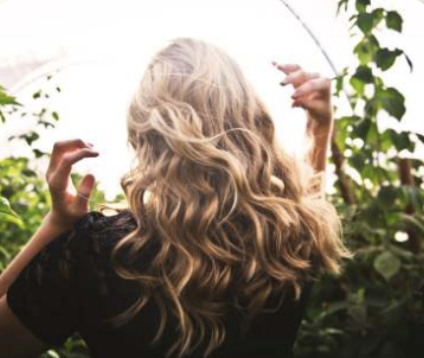
In the Vedic times, hair carried symbolic meaning. Flowing, strong and lustrous hair was not merely a marker of physical attractiveness but also a sign of vitality, fertility and spiritual radiance. This approach was holistic as caring for one's hair was as much about diet, disciplined and emotional health, as it was about external applications.
Your table deserves a little beauty — one fork at a time.
THE CONCEPT OF KESHYA
In Ayurveda, herbs are often classified by their specific actions on the body. The word "keshya" comes from kesha, meaning hair, and denotes herbs that nourish, strengthen and beautify it.
KESHYA HERBS IN SUSHRUTA SAMHITA
The Sushruta Samhita lists several herbs under the keshya category, highlighting their unique qualities:
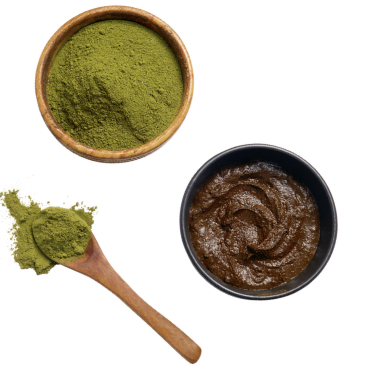
- Amla (emblica officinalis): Rich in vitamin C and antioxidants, amla has long been considered a rejuvenating herb. Applied to the scalp or consumed, it supports hair growth, strengthens roots, and imparts a natural sheen.
- Bhringraj (eclipta alba): Often called the 'king of hair', bhringraj is renowned for preventing premature greying and hair loss. In the Sushruta Samhita, its oil was prescribed as a tonic for the scalp, cooling the head, calming the mind and enhancing the appearance of thick, black hair.
- Brahmi (bacopa monnieri): Beyond its use as a memory enhancer, brahmi also finds value as keshya herbs due to its nourishing effects on hair. It is said to stimulate circulation to the scalp, encourage growth and maintain lustre, while also reducing stress—an often overlooked factor in hair health.
- Jatamansi (nardostachys jatamansi): This aromatic herb, sacred in Hindu rituals, was valued both for calming the nervous system and for beautifying hair. It conditions the strands, reduces dryness, and helps maintain natural shine.
- Neem (azadirachta indica): Though more often associated with cleansing and purifying, Neem also supports scalp health by keeping it free of infections and dandruff, ensuring an environment where hair can grow strong.
THE RITUAL OF HAIR CARE
What makes the Vedic approach unique is its ritualistic dimension. The act of oiling the hair with keshya herbs infused in sesame or coconut oil was not only practical but also spiritual. The gentle massage stimulated circulation, soothed the mind and encouraged mindfulness. Many of these rituals were performed at auspicious times, aligned with lunar phases or seasonal transitions, reinforcing the belief that beauty flows best when one is in harmony with nature.
Even in today's world of advanced cosmetics, the wisdom of Sushruta remains relevant. Hair problems such as thinning, premature greying and dullness are often linked to stress, poor diet and chemical exposure; issues that Ayurveda addressed centuries ago. By reintroducing keshya herbs into modern self-care, people are rediscovering natural solutions that not only enhance beauty but also support overall wellness. In a time when beauty is often equated with fleeting trends, the wisdom of Sushruta Samhita reminds us of a deeper truth: beauty arises from balance, nourishment, respect for the body as sacred and is rooted in harmony with nature.