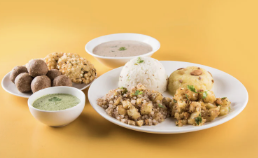
Vedic texts emphasise simple, fresh, easily digestible, sattvic dishes made from rice, barley, pulses, milk, ghee, buttermilk, and seasonal fruits/vegetables. Food was medicine (aushadha), prasad (sacred), and also a spiritual practice.
Vedic texts emphasised on unprocessed foods and traditional cooking methods for overall well-being. Food was seen as anna prana (life-force). Dishes were sattvic, fresh and healing. Cow ghee was a staple and valued for its digestive and nourishing properties. Spices like cumin, ginger, turmeric and coriander were used in Vedic dishes to aid digestion and add flavour.
Here are some Vedic-inspired dishes for good health:
1. Yavagu (Medicinal Gruel)
A light, soupy preparation of rice/barley cooked in excess water. It is easily digestible, given to those recovering from illness and can be enriched with cumin, ginger or ghee for strength.
2. Khichari
This staple ayurvedic dish is known for its easy digestibility and ability to cleanse the system. It's typically made with moong beans, rice and spices like cumin, ginger and turmeric.
3. Mudga Yusha (Moong Dal Soup)
It is mentioned in Charaka Samhita as one of the most laghu (light, digestible) dishes. It is green gram boiled with mild spices like cumin, coriander, ginger. It is good for detox and digestion; can also be easily customised with various vegetables and spices.
4. Ksheerannam (Milk Rice)
It is rice cooked in cow's milk with cow ghee in it. It is strength giving, nourishing for tissues (dhatus) and calming to the mind.
5. Takra (Spiced Buttermilk)
Yogurt churned into thin buttermilk with rock salt, cumin, and curry leaves improves digestion and gut health and balances excess pitta and kapha.
6. Saag & Shaka (Seasonal Green Leafy Vegetables)
Consuming spinach, drumstick leaves or bathua lightly sautéed with ghee and mild spices is good for blood purification.
7. Yava Upma (Barley Upma)
Barley roasted and cooked with vegetables and ghee. Highly recommended for balancing kapha and meda (excess fat).
Some recommended foods since ancient times are:
Amalaki and Chywanprash
Amalaki is especially praised in Ayurveda for rejuvenation (rasayana). Chywanprash incorporates the goodness of Indian gooseberry along with 54 medicinal herbs and their extracts. The foremost historically recorded recipe for Chywanprash is reported in the Charaka Samhita, the ancient Ayurvedic classic, where it is appreciated as being superior to all other herbal rejuvenating tonics. As per ancient scriptures, regular intake of this tonic helps to attain intellect, memory, immunity, freedom from disease, endurance, improved functioning of the senses, increased stamina, improved digestive processes, improvised skin-tone and glow.
Manda (Rice Water)
The starchy water left after boiling rice, is used for hydration, especially during fever or weakness.
Panchamrit
A sacred mixture of milk, curd, ghee, honey and jaggery is called Panchamrit. It strengthens immunity, nourishes brain and tissues, and balances all three doshas.
According to Chandogya Upanishad (6.5.1):
"Food when eaten becomes threefold: gross part becomes faeces, middle part becomes flesh, subtlest part becomes mind."
Thus in the Vedic period, food (ahara) was not only for physical nourishment but also for sustaining prana (life-force) and manas.