In today's fast-paced world, patience has become a rare commodity. People want everything instantly—be it food delivered in ten minutes, groceries at the doorstep or beauty transformations overnight. The same mentality extends to weight loss. Few are willing to dedicate months to balanced diets, regular workouts, and gradual results. Instead, the demand for quick fixes has given rise to a growing trend of unnatural weight-loss methods that promise rapid changes but often come with hidden costs.
Medical interventions have added another dimension—pills and injections such as Ozempic are being widely promoted as miracle weight-loss solutions. At the more invasive end of the spectrum, surgical procedures like liposuction and bariatric surgery are increasingly chosen by those desperate for fast transformations. While these methods may deliver visible results in a short span, the question remains: at what price?
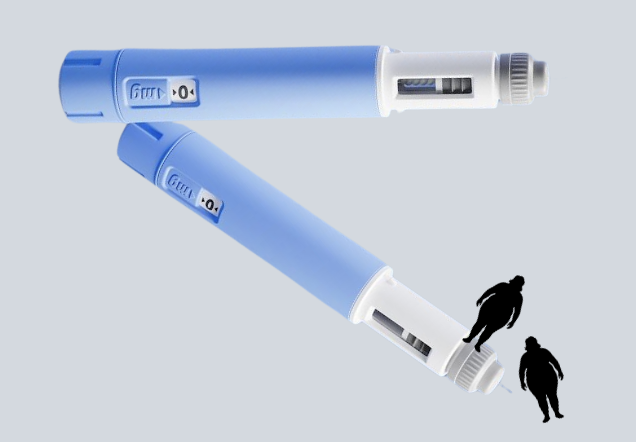
Among these options, Ozempic injections have recently gained the most attention. Originally designed to treat type 2 diabetes, this drug works by regulating blood sugar and suppressing appetite, leading to rapid weight loss. The benefits are undeniable—many reports shedding significant kilos without making major lifestyle changes. But the flip side is equally striking. Side effects such as nausea, digestive issues and fatigue are common, while long-term use raises concerns about dependency and rebound weight gain once the medication is stopped. What's more, its growing popularity has caused shortages for diabetic patients who genuinely need it for survival, sparking ethical debates around its cosmetic use.
Ozempic faces over 1,800 lawsuits in US courts, with damages possibly topping $2 billion. Patients allege the drug caused stomach paralysis, vision loss, and other severe complications not clearly warned about. Court filings also list a range of other serious health problems linked to Ozempic, which include severe gastrointestinal issues such as intestinal blockages, and persistent vomiting. Patients have also reported gallbladder complications like inflammation and gallstones. Some cases involve sudden vision loss linked to a condition called NAION (non-arteritic anterior ischemic optic neuropathy). Apart from these, pancreatitis and kidney damage have also been reported.
While the allure of quick results is tempting, the reality is that unnatural ways of losing weight rarely provide sustainable beauty or health. Crash diets slow down metabolism and often lead to nutritional deficiencies. Excessive workouts can cause injuries, while surgical interventions carry risks of complications and relapse. In the case of Ozempic, the possibility of regaining weight after discontinuation makes it more of a temporary patch than a permanent solution. Beauty achieved at the cost of long-term health is a compromise that leaves one worse off than before.
True beauty, after all, thrives on balance and wellness. Natural methods—though slow—help you build a healthier relationship with food, develop strength, and enhance vitality. They not only transform the body but also nourish the skin, hair, and overall glow from within, giving results that last a lifetime. While quick fixes may offer the illusion of beauty, the real elegance lies in patience, consistency, and the confidence that comes from sustainable change. Choosing the natural path may take longer, but in the journey toward lasting beauty and health, it is always worth the wait.